
What is digital minimalist, and how do you do it?
People are revolting against addictive technologies, so what is digital minimalism, and how do you do it?

Taking control of your relationship technology is easier said than done.
Another email comes in, WhatsApp pings, or you need to check the scores for your favourite sports team, and before you know it, 30 minutes has passed.
When I was growing up, my time was distorted by the PlayStation... 7am would very quickly become 12pm after a session on FIFA, or completing another level or two on Tomb Raider.
Smartphones have by and large become the new way for people to lose hours in the day without even realising it.
But there is a growing trend of revolutionaries who have had enough, they are putting down their smartphones, and picking up offline hobbies... The digital minimalists.
Understanding the origins of digital minimalism
At its core, digital minimalism is about aligning your use of technology with your values.
It’s not about abandoning technology altogether, but using it in ways that enhance your life rather than detract from it. It’s the art of choosing fewer, more meaningful digital interactions over an overwhelming flood of distractions.
The goal isn’t perfection; it’s mindfulness. Digital minimalism encourages us to pause and ask: Does this tool or habit truly serve me? By embracing this philosophy, you can reclaim time, reduce stress, and create space for what matters most.
5 Steps to achieving digital minimalism
- Audit Your Digital Life: Start by taking stock of your current digital habits. How many hours do you spend scrolling? Which apps dominate your time? Tools like screen time trackers can provide a clear picture of where your attention is going. Once you’ve identified patterns, ask yourself: Which activities feel purposeful? Which leave me drained?
- Define Your Tech Values: Digital minimalism isn’t one-size-fits-all. Reflect on what truly matters to you. Is it staying connected with loved ones? Cultivating a creative hobby? Supporting your career? Use these values as a compass to guide your tech choices. For instance, if quality time with family is a priority, consider setting boundaries around work-related notifications during evenings.
- Declutter Your Digital Space: Just as a cluttered desk can hinder productivity, a chaotic digital environment can overwhelm your mind. Unsubscribe from emails you never open. Organize your files into intuitive folders. Delete apps that don’t align with your values. Aim for simplicity—a clean, streamlined digital space makes it easier to focus on what’s important.
- Set Boundaries and Intentions: Establish rules that protect your attention. This might mean:Pair these boundaries with clear intentions. For example, before opening a social media app, decide why you’re logging in. Are you connecting with a friend or mindlessly filling time?
- Turning off non-essential notifications.
- Creating no-phone zones, such as the dining table or bedroom.
- Scheduling tech-free blocks during your day to read, meditate, or simply be.
- Experiment and Adjust Digital minimalism isn’t static; it’s a journey of continuous refinement. Try new strategies and observe how they impact your wellbeing. Maybe you’ll discover that a weekly digital detox boosts your mood, or that swapping a streaming binge for an evening walk enhances your creativity. Stay curious and compassionate with yourself as you explore what works best.
What are the benefits of digital minimalism?
The goal of digital minimalism isn’t just about cutting back, it’s about making room for more—more connection, creativity, and clarity. By mindfully curating your digital life, you can:
- Reclaim hours for meaningful activities.
- Reduce the anxiety of constant connectivity.
- Strengthen your focus and presence in daily moments.
In a world that’s always on, digital minimalism invites us to step back and savor the stillness. It’s not about doing less but about doing what truly matters—with intention.
What is an EDC, and do I need one?
If you're a regular lurker or contributor to the r/digitalminimalism subreddit, then you will have already been acquainted with the concept of EDCs.
EDC simply stands for Everyday Carry.
Everyday Carries (EDCs) are the essential items that you carry with you each day, in order to become less reliant on your smartphone.
EDCs tend to include iPods, books, notepads, digital or analog cameras, and the ever-essential dumbphone.
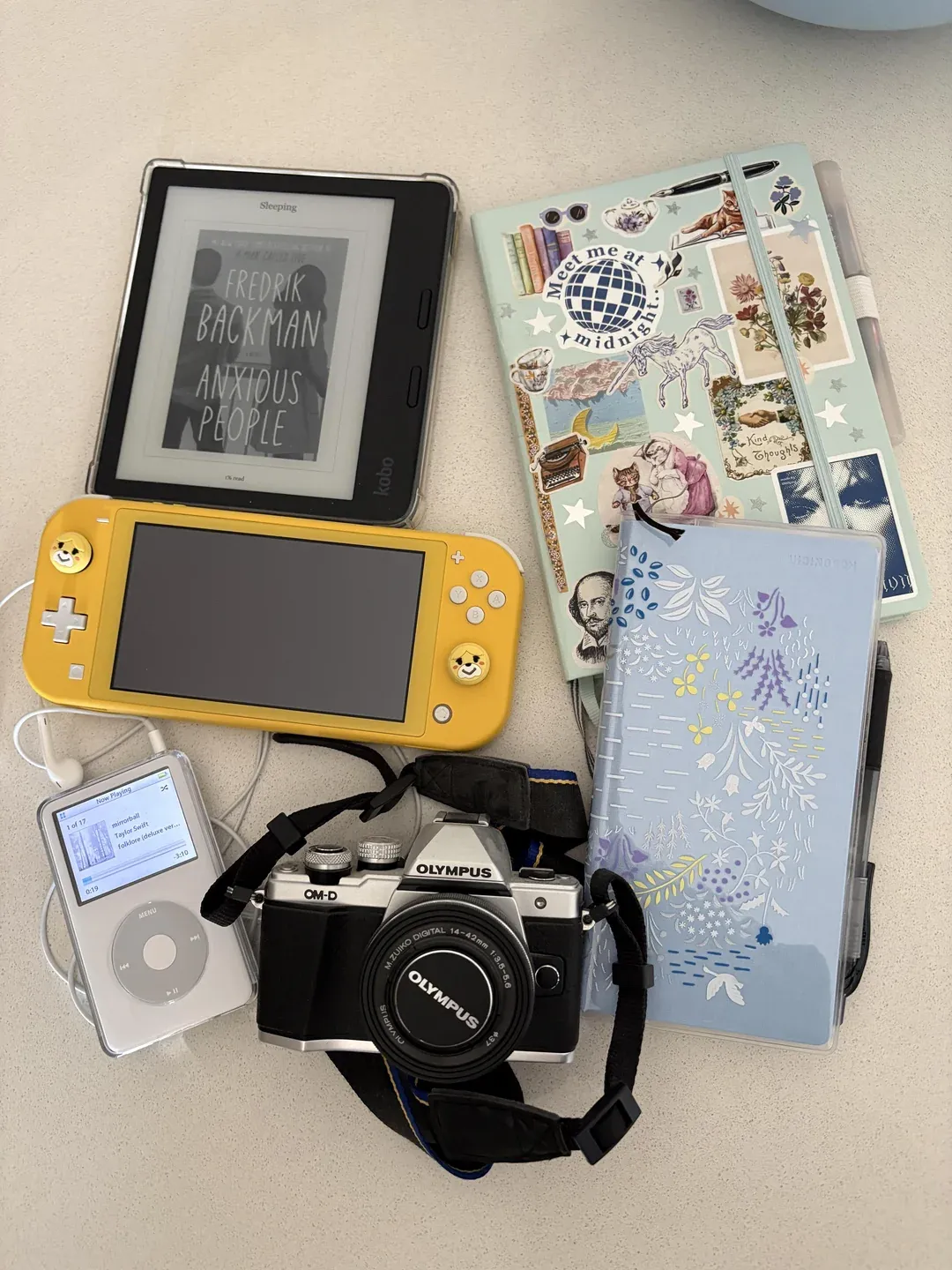
Really, there is no hard or fast rule. Your EDC is personal to you, and its primary goal is to give you the tools to function without needing your smartphone screen.
So, take a breath. Log off. And consider: How might your life change if technology became a tool rather than a tether?
At The Quiet Web, we’re committed to helping you lead a healthier, happier life with technology.
If you enjoyed this article, consider becoming a member—whether free or paid, your support fuels our mission to create thoughtful, high-quality journalism.